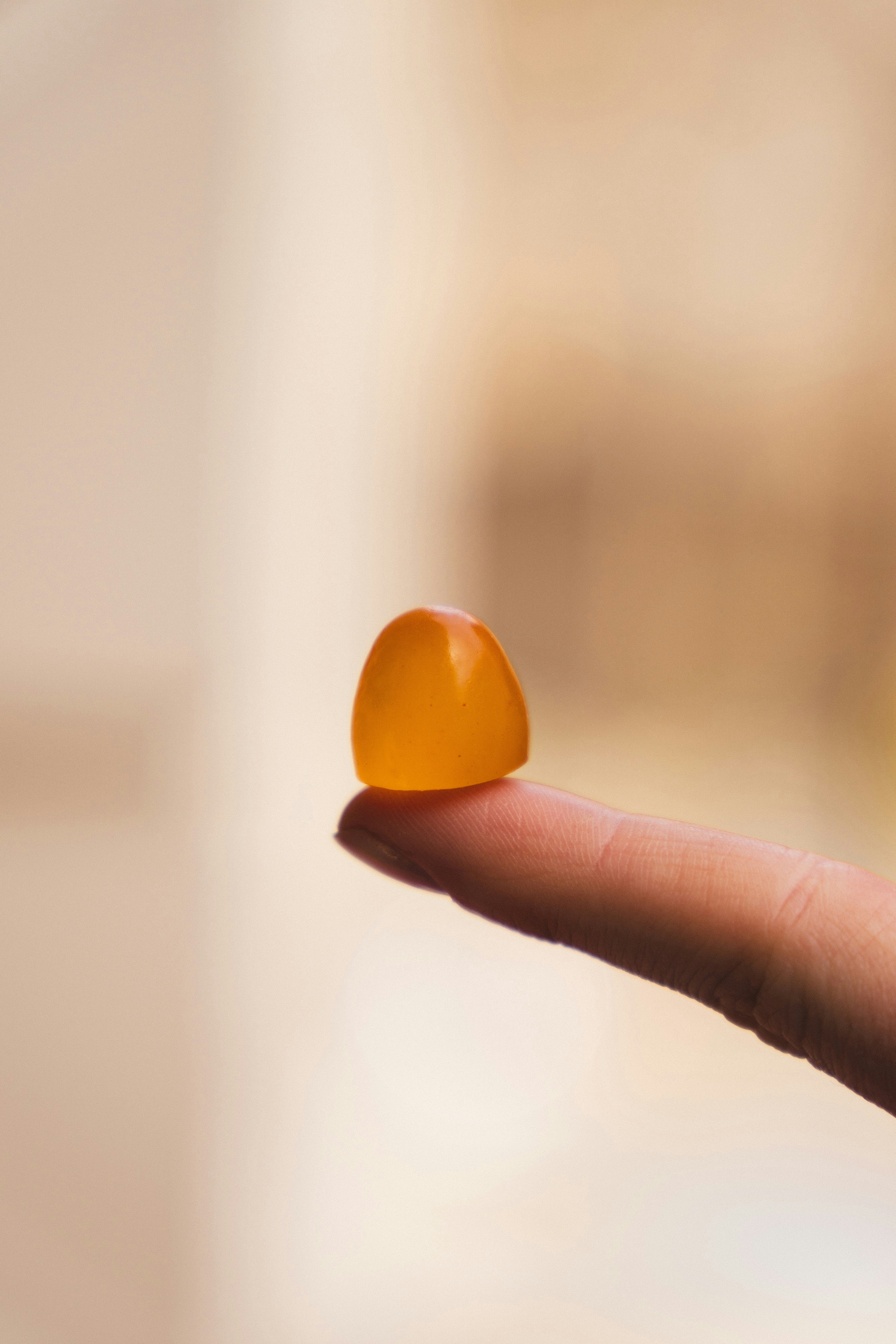
How I Fell for a “Buzz-Like” Alcohol Alternative
I am a few days shy of eight months sober.
I know with certainty that alcohol is not the magical elixir I once thought it was. That warm, buzzy feeling from the first sip felt magical. But it’s a trap. I accept that now.
Still, if I’m being honest, I remember the warm, buzzy feeling from that first sip. And if there were something out there that could recreate that feeling without the negative consequences of alcohol, of course I wanted to hear about it.
Not anymore. And I’ll explain why.
Lately, my social media feed has been surging with “alcohol alternative” companies targeting the sober and recovery community. The overall messaging is enticing: buzz-like, uplifting, happy, a healthier alternative to alcohol.
At the same time, adaptogen-based drinks and supplements are marketed as wellness alternatives to alcohol; these products are intended to support relaxation, mood, or social ease without intoxication. Some of these products may genuinely be offering supportive alternatives.
I’ll admit it, I was curious. I was excited, even.
The problem is that the THC industry is cleverly jumping on this bandwagon, entering the same space and using very similar language and branding. What I recently learned is that there is a regulatory loophole here in Michigan. Hemp-derived THC products are not regulated by the Michigan Cannabis Regulatory Agency in the same way cannabis products sold in dispensaries are.
That means this psychoactive substance can be marketed and sold online without the safeguards THC should have, which makes it very difficult for consumers to distinguish between something intended to support wellbeing (a supplement) and something designed to intoxicate (a toxin). The product is literally labeled "hemp supplement" and says "use regularly for best results."
I knew there was THC in the gummies I ordered. I'm not against TCH or for it, because I have never really liked it or been drawn to it. But, the product marketing suggested it was a unique blend designed to create a gentle, “buzz-like” feeling similar to alcohol. I thought it would be fun and relaxing. I wasn’t stressed. I wasn’t trying to take the edge off. And I certainly was not trying to feel inebriated from a “happy gummy.”
But that’s not what happened.
Instead, the experience was extremely intense and disorienting, physically uncomfortable, and lasted more than twelve hours into the next day. At one point, I seriously considered seeking medical attention. I woke up feeling nauseous, with a headache and a strange burning sensation in my throat and esophagus. The residual effects lasted into the following night (more than 30 hours after taking one suggested dose).
This was nothing like a mild “happy buzz.” In fact, there was nothing happy about it. I hated every minute of it.
And that’s the problem. THC is not a healthier or safer alternative to alcohol. It is another mood-altering, mind-altering substance with its own risks and consequences. Marketing these products as “buzz-like” substitutes for alcohol creates unrealistic expectations and encourages people to experiment with substances they may not fully understand.
If I’m being honest, I feel ashamed that I trusted the marketing so easily. How could I be so irresponsible to ingest something I really didn’t know much about? As much as I want to bury this uncomfortable experience somewhere deep in my psyche and forget about it, I can’t ignore the harm it could cause others.
There were no clear warnings about the potential intensity or duration of the effects. There was no child safety lock on the product. I didn’t need to show an ID to purchase it. All it took was a pleasant ad on Instagram and a few clicks later, the product was on my doorstep.
Of course I know THC is not harmless. But it is legal in my state, and the marketing made it seem like a "happy" healthier alternative to alcohol. The more I reflect on it, the more I realize how powerful marketing can be. Advertising isn’t really about the product itself; it’s about eliciting a feeling. In the ad I saw, the woman looked relaxed, happy, and socially at ease. That image evoked a feeling state that I recognized and wanted. In that moment, I didn’t stop to think about the cost of that feeling.
That’s how marketing works. It taps into our desire for ease, connection, or relief and subtly links those feelings to a product. And as someone who no longer drinks alcohol, it seemed logical, at the time, to be curious about "an alternative."
Marketing and accessibility are problematic, but another problem ...
Many people who step away from alcohol are trying to be fully present for their lives. They are looking for connection, relaxation, relief, or a sense of ease in social spaces. When companies market psychoactive substances as “alcohol alternatives,” they blur an important line and risk pulling people back into the same cycle of chasing mind and mood altered states through substances.
Recovery communities deserve better than clever marketing preying on our vulnerabilities, when we are genuinely seeking to feel whole. We deserve transparency, clear warnings, and honest conversations about what these substances actually are.
And our children and young adults deserve protection from substances they may not fully understand. Heck, I wish someone had protected me from making this choice. Products like this belong in regulated environments that require identification and clear consumer safeguards, so people understand how serious they are.
It still surprises and humbles me that I got caught in this trap. But I did learn something valuable. I learned how much I care about my body. I never want to jeopardize my health in that way again.
And I will be steering clear of anything that promises to make me “feel” a certain way.
Because the point of "healing" (at least for me) is learning to accept life as it is, rather than chasing another happy "buzz-like" state.
If sharing my experience helps even one person, then the discomfort I went through will have served a purpose. I am very concerned for children, young adults who could easily be exposed to these products without understanding the risks.
These products are incredibly accessible online; just a few clicks away for curious teenagers and no child safety locks for younger siblings.
Please be aware 💛